Showing posts with label what we are drinking. Show all posts
Showing posts with label what we are drinking. Show all posts
Sunday, September 7, 2014
Drinking Turmeric ( cold remedy, sadly not a fancy cocktail)
I have spent the last week battling a cold and as my mother often insists whenever anyone in the family is sick, I have had a glass of turmeric every night. Yes, it take some getting used to but I think it actually works and my throat felt like it healed up a little faster than usual. A tiny bit of internet research shows ( here and here and here) that there are a lot of people who agree with my mother. For one thing it is known to reduce inflammation ( which is probably what helped my throat) but other sources encourage you to make it a daily habit, unlikely for me, between the taste and the price I can't completely justify it. As a cold remedy however I am pretty sold. Here is how I drink it. One spoon of turmeric powder dissolved in about half a cup of hot water, then I mix in a spoon of honey and finally I add some juice, I like orange juice but apple juice is also said to be nice.

Friday, October 4, 2013
Reading notes: Beer in Switzerland
I just wrote about beer from Southeast Asia when this interesting article on the beer industry in Switzerland popped up in Feedly. For a brief couple of months in my early twenties when I was between ideas about "what" or " who" I wanted to be when I grew up, I worked as a waitress in a small town restaurant in Switzerland where I served a lot of beer and learnt that names for the different size glasses that the beer could be ordered in. At the time you could get a glass of beer, a glass of red wine or a glass of coke or a cup of coffee for the same price. Considering very little coke got ordered during my days as a small-town waitress I wasn't surprised to learn that Switzerland has the highest concentration of breweries per capita. Below is the great little graphic from the article ( which has several other very cute beer graphics-- worth checking out) to demonstrate this fact, I suppose it is somewhat surprising that the Swiss beat the Germans on this.

However as the article also points out Swiss beer drinkers are not very adventurous when it come to what they drink, they tend to stick with what they know. In fact that restaurant I worked at only served one kind of beer. The article is basically bemoaning the lack of craft beer in Switzerland but it doesn't really sound like the Swiss feel like they are missing out. Perhaps this is why its so telling that the main point of comparison for the article is the US which tends to be so novelty hungry.
However as the article also points out Swiss beer drinkers are not very adventurous when it come to what they drink, they tend to stick with what they know. In fact that restaurant I worked at only served one kind of beer. The article is basically bemoaning the lack of craft beer in Switzerland but it doesn't really sound like the Swiss feel like they are missing out. Perhaps this is why its so telling that the main point of comparison for the article is the US which tends to be so novelty hungry.
Friday, September 13, 2013
Reading Notes: Asian Beers
A former intern recently wrote to "blame" me for her fondness for South-east Asia. I encouraged her to apply for a scholarship to spend a summer in Laos and she has wanted to return to that part of the world ever since. She recently took up a teaching position in Vietnam and has been blogging about her adventure there including this recent post about all the different Asian beers she has tried since she arrived. As a firm believer that context and atmosphere plays a huge part in how we enjoy food and drink her final piece of advice is spot on, she writes " If you decide to try one of these beers back in the states and think its horrible, don't blame me. Book a flight to Southeast Asia and grab a Beerlao in Laos, I promise it will taste a whole lot better."
As well as inspiring a little jealousy and wanderlust, the post definitely also encourages me to consider writing about Bhutanese beers in the near future!
Saturday, April 6, 2013
Reading note: bicuits and tea
Are you like me convinced that biscuits ( or cookies for my American readers) taste best when they are soaked in tea or coffee? Well apparently now there is scientific evidence that " dunking makes the biscuit taste more biscuit-y." No really! NPR ( who else) has a great article about British Chef Heston Blumenthal' s on screen taste test ( using an uncomfortable looking gadget up his nose to measure the release of flavor).
What biscuits/ cookies do you like to dunk? Personally my favorite ( from my days as a student in Australia) remains the chocolate Timtam, thought here in Bhutan I frequently go for Bourbon biscuits and the occasional cream crackers.
Saturday, March 23, 2013
Reading Note: More excuses to drink coffee
Since I have started my new job, my coffee consumption has steadily risen. Luckily both NPR and Lifehacker had recent blog posts about why coffee is good for you. The NPR article is all about how caffeine might improve our memory, apparently it works for bees! ( Cue jokes about a "caffeine buzz"!) The Lifehacker article offers a far more extensive list of ways in which a coffee habit could do you good, including: making you smarter, lowering your risk of diabetes, Alzheimer and Parkinson's and burning fat.
Of course I wish I was drinking my coffee somewhere pretty with a little atmosphere instead of hunched over a computer screen. This really wonderful photo essay of Swiss coffee houses takes me back to a time when I lived in Switzerland and drank less coffee but savored every cup that I did drink.
Of course I wish I was drinking my coffee somewhere pretty with a little atmosphere instead of hunched over a computer screen. This really wonderful photo essay of Swiss coffee houses takes me back to a time when I lived in Switzerland and drank less coffee but savored every cup that I did drink.
Monday, November 19, 2012
Time for tea: Suja Desi
 We drink a lot of tea in Bhutan. A lot. Its both an everyday beverage and a drink that has an important place on special occasions. If you show up at some one's house, you will be offered a cup of tea. When we have Bhutanese guests for dinner my mother makes sure that we have tea ready for them BEFORE the meal. One of my all time favorite, old time-y customs is bed tea. What an indulgence to be brought your first cup of tea when you are still in bed, only half awake!
So its perhaps no surprise that tea is also featured in our religious events. Recently my family hosted a blessing ceremony for a new business venture. It was just a small ceremony held on a weekday morning in my parents' living room. At some point during the proceedings tea and desi must be served to the monks who are performing the blessing ceremony. It was also a great opportunity for me to document the preparation and serving of suja desi or butter tea and savory buttered rice. A combination which is served at all kinds of special and religious events from weddings to blessing ceremonies like this to high level official events. I think the common element here is lots and lots of butter! Here is the massive block of Bhutanese butter that we chipped away at all morning as we prepared the tea and rice for the ceremony!
Suja or butter tea is a distinctive Himalayan drink. Its basically made by churning brewed tea with butter and salt. If you are new to it and expecting sweet tea, it can be a bit of a rude shock. The saltiness! The oil! I always tell people its best to think of it as a soup. And on a cold, cold day there is nothing more wonderful then a steaming hot cup of butter tea.
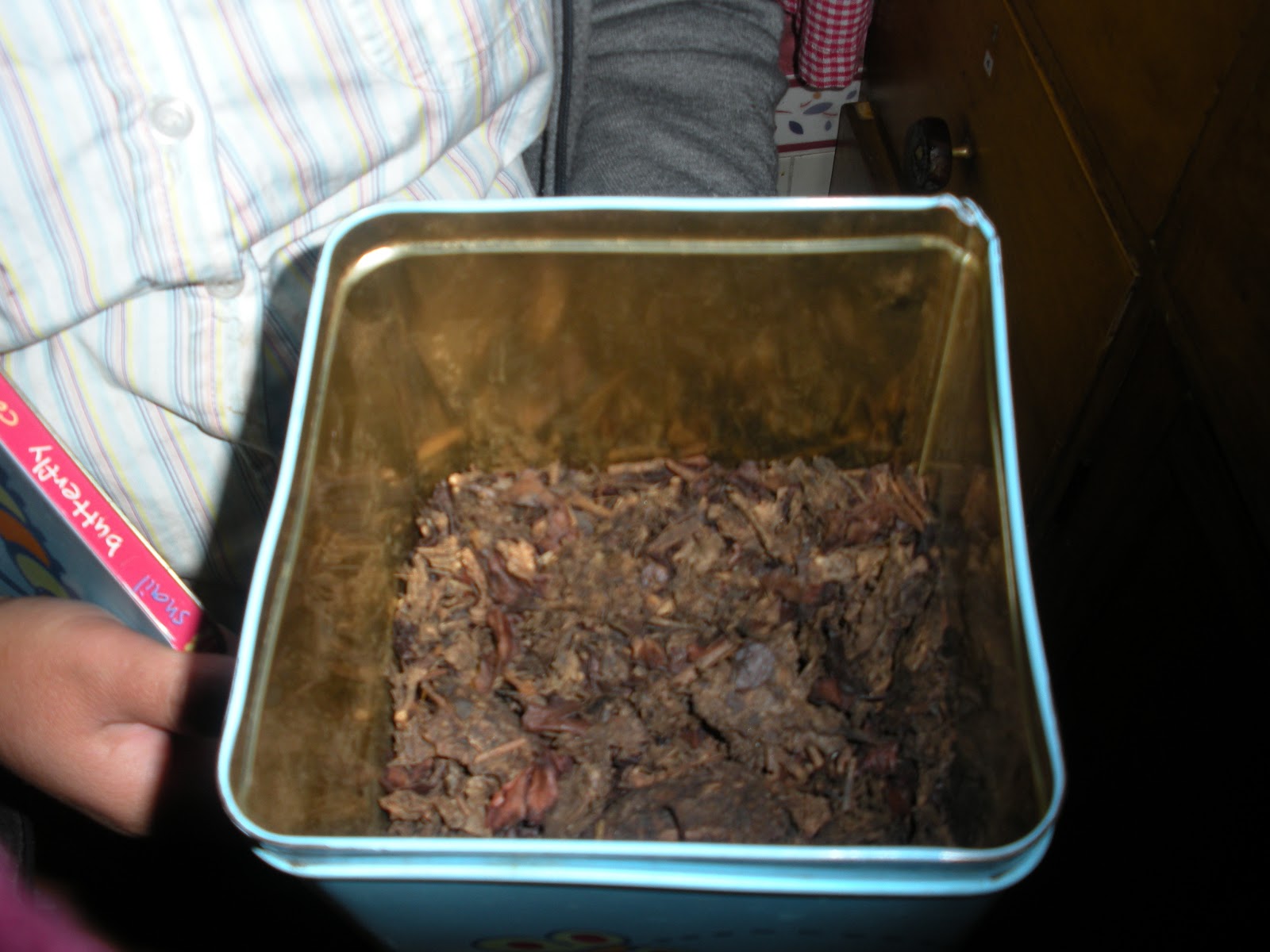
To make the tea, loose black tea leaves are mixed with cold water and brought to a boil. A tiny amount of bicarbonate soda is added (to enhance both the taste and color) , then the hot mixture has salt and butter added to it and is churned and churned and churned ( the churn looks a lot like an old fashion butter churn) until its a consistently creamy brown shade . Of course the oil of the butter has a tendency to rise to the top, so with each refill the kettle is gently shaken up to redistribute the butter.

These days we use an electrical mixer rather then a churn and my mother, with an eye on the family's cholesterol in-take sometimes mixes in milk so that she can cut back on amount of butter we are drinking. However on the day of the blessing we went all butter !
Desi or the butter rice can be made sweet or savory. The base ingredients are rice, saffron and butter. Then you can either add chopped green chilli or to make it sweet, raisins, nuts and a little sugar. We went savory. Personally I am not such a fan of sweet desi so I was happy with that choice.


The saffron, butter and chilli are added once the rice is cooked and just mixed in. As you can see we went ahead and added them to the cooked rice in the rice cooker. That has the additional benefit of keeping the desi warm.

Here is the suja and desi being served out for the monk who officiated the blessing. My mother even managed to find a fancy tray to serve him on. Of course the best part of the ceremony is when we get our share of suja and desi.

Its not strictly food related, but I really thought the altar that was set up in the living room with offerings of water, flowers and fruits was rather beautiful. Perhaps you can guess the business venture that the blessing ceremony was conducted for?


Subscribe to:
Posts (Atom)