Showing posts with label special meals. Show all posts

Thursday, February 13, 2014

Reading Notes: Archery and Feasting

From : " The Clear Mirror of Archery in Bhutan" by Chang Dorji, Former People's Representative to the National Assembly of Bhutan ( 2001) KMT Press, Phuentsholing, Bhutan


"Except in times of sickness and death in the village, archery is usually played among friends and acquaintances on festive occasions like the New Year. The most preferred stake among archers is a feast. There are two types of feast. In one case, the winners take only their phorp and toray; in the  the other, butter and cooking oil while losers provide meat and other delicacies. However, both the teams have to supply rice and other provisions. This system is called the tashi gyal or the ' auspicious stake.  Usually the winners have to prepare the feast. 

The following day, another match called the zalog or ' returning the feast' is held. If the winner of the previous day wins the first match played for a score of five, the second match should be played for a total of ten scores, and the third, out of a total of fifteen. If again this is won, losers have to once again host a feast. Another zalog match can be played. The total score this time would be equivalent to the age of the oldest player of the winning team. However , there would be no stake for the feast if the same team  once again loses.  There is a saying that even a woman will eventually win a zalog, because the matches will be played until the loser wins. "

Saturday, September 21, 2013

Happy Blessed Rainy Day

Today is Blessed Rainy Day in Bhutan or Thure, a nationally observed holiday that marks the end of the monsoon (or rainy season) and the beginning of the fall. For farmer ( which according to most statistic would describe most Bhutanese) it means the growing season is behind them and the harvest is not very far away.

On Thure all natural water  is considered holy and everyone is encouraged to take an outdoor bath in order to cleanse themselves of their accumulated bad karma. Some people will leave a bucket out to gather rain overnight and then bathe with it in the morning. 

Its also an important family holiday and when I taught in the east of Bhutan, where the holiday is considered particularly important, many of my students made a huge effort to travel home for the day.  As it is with many family holidays sharing a meal is an important part of the celebration. Many families will start the day with a bowl or two or three of rice porridge or Thup is particularly important 

My sister's inlaws ( who are easterns) invited us to join them for  breakfast which of course turned into a regular feast. 

As with many visits in Bhutan  the meal started off with sweet milk tea and biscuits  ....


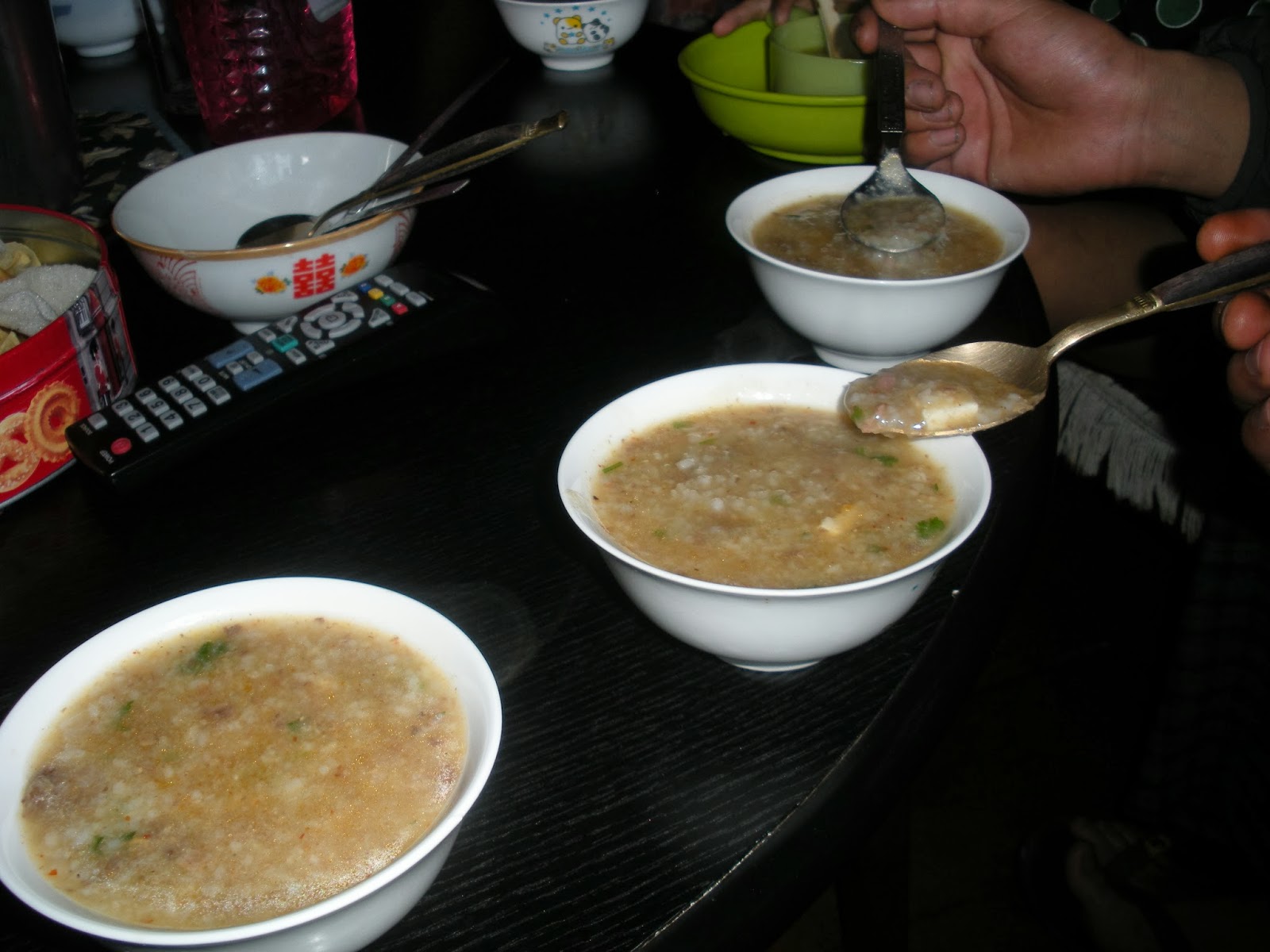
 quickly followed by steaming bowls of thup...


I ate three bowl full of the rice porridge  before realizing that another rice dish, shamdey ( a mixture of rice, butter, meat, eggs and sometimes a little spring onion) was waiting to be served!


This time with a little suja or butter tea....


At the end of the meal my sister's father-in-law insisted that my brother, Sonny, join him in celebrating the day with a glass or ara or home brewed alcohol. 


Another reason to raise a glass? This post mark an anniversary for this blog! One year ago one of my very first posts was about Blessed Rain Day and the thub we ate!

Saturday, July 6, 2013

Meat Buffet at a Bhutanese Wedding.


Recently I was invited to a wedding in Paro that had the most impressive meat buffet. Unlike a lot of fancy weddings and events that I have been to lately the family didn't cater the event instead they did it the old fashion way and got together to cook up the feast. And what a wonderful old fashion feast it was! And of course a "typical" Bhutanese celebratory feast means meat, meat and more meat!  

Here are two photos of the meat aisle taken from either end to give you a sense of the spread. 


Many of the preparations and even types of meat on offer were old fashion. Each is considered a delicacy and treat. For example below is tripe or stomach lining. It has rubbery texture that I don't enjoy.


Here is one of my favorites, blood sausage fried with chill and other spices. Incredibly dense and rich.


Liver- prepared with a lot of oil and a lot of spice, also very rich.


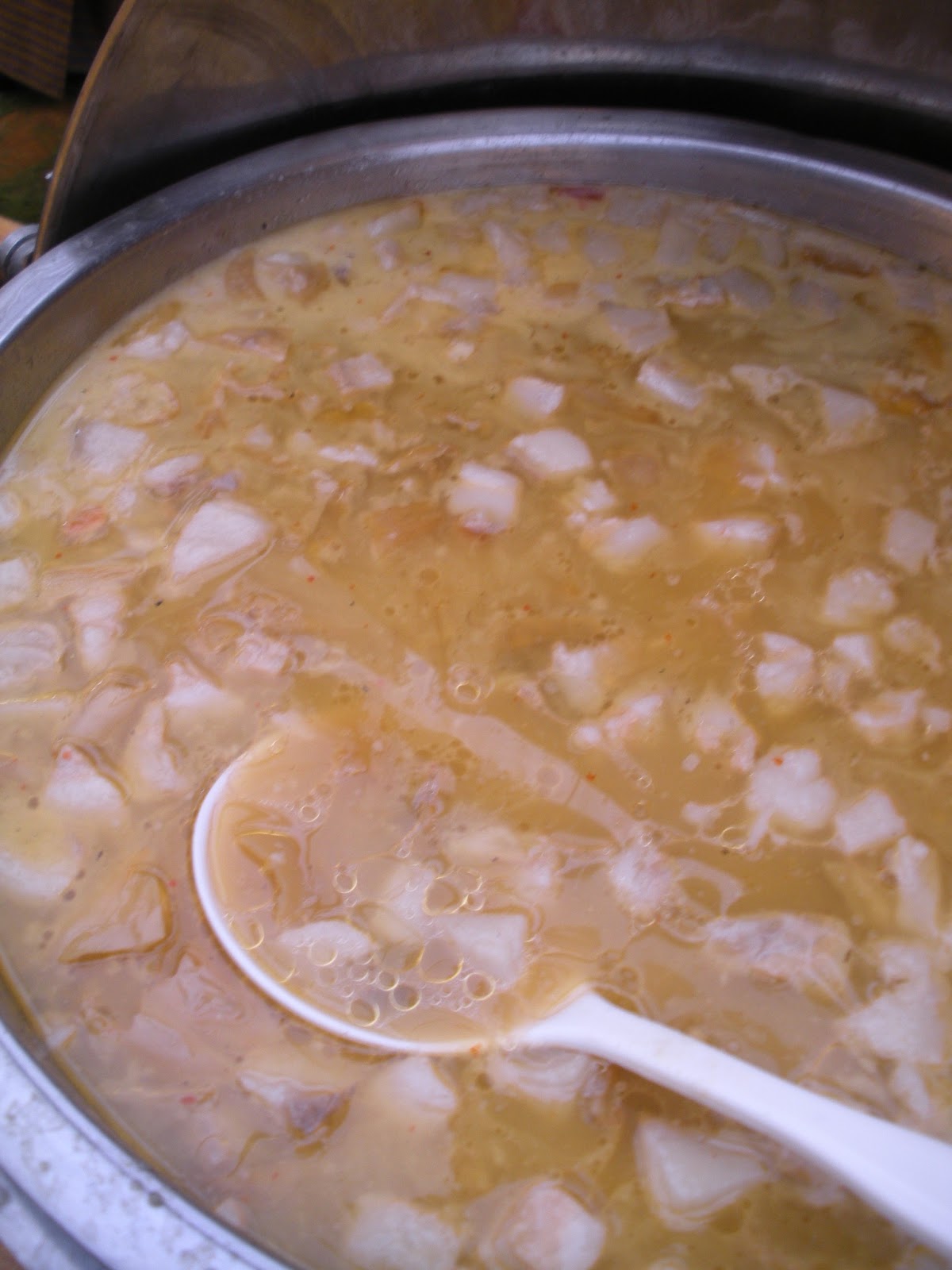
A pork stew-ish dish. Yes those floating white pieces are pork fat. Bhutanese love pork with a layer of fat.


Since it was a summer wedding, the flies were very much in attendance. One member of the family just stood near the food swotting them away with yak tail fly swotter. Surprisingly effective!


Despite eating more of the meat then I should have, I managed to save room for the beautiful and very tasty cake baked by a cousin of the groom, who owns a cafe/ bakery in Paro called Tshernyoen. 


Saturday, June 22, 2013

Reading Note: Picnicking

As the weather warms up eating outdoors is such a treat ( except when it rains but that is another story). My family frequently eats outside this time of year, surrounded my mother's beautiful garden and at work we tend to gravitate to the tables outdoors at the campus canteen.  So of course this interesting post on NPR food blog, The Salt, on the history of picnicking was well timed!

What was perhaps most interesting part of the article was learning that picnic starts as something the wealthy indulged in. These early picnics required servants and nice linen, a "movable feast" more than roughing it out in nature and eating out of sandwiches out of plastic containers.

In fact they sound an awful lot like modern Bhutanese picnics where people tend to bring their pots and pans and actually cook out in the open. And the food is always special occasion food made for a large number of people.  I was once told by a group of  students horrified by my suggestion that we save money by making sandwiches, that there was no point going on a picnic if there wasn't meat and if it wasn't grand. Here is a picture of me at that picnic where my students cooked up  the most delicious feast.


Monday, February 18, 2013

Lunch on a snowy day: Bathup


 Yesterday morning we woke up to a Thimphu covered in a thick white blanket of snow. Unusual not because we don't ever get snow but because usually we see a light snowfall that melts almost as soon as it settles. This time the snow came down so thick and heavy and that is stayed all day into the next one. My facebook and twitter were full of people's photos of the snow including snowmen, snow-women and even one snow-buddha. My mother and my brother, Sonny took the opportunity to make and serve up a typical Bhutanese cold weather meal: Bathup or soup with homemade noodles.

 Below are the assembled ingredients minus the homemade noodles. To left you see a basket of chopped leafy greens (my mother likes to use mustard greens but any other leaf green is likely to work), onions, garlic , ginger and some potato. Potato is not a standard Bathup ingredient but my
mother likes the way it melts in the soup to give it a lovely thick consistency. To the right are salt, chili power, sichuan pepper ( or thingay in Dzongkha) and of course bones.  Bones are critical to making a savory and hearty stock for the noodles. My mother puts everything ,except the greens and  thingay (that goes into the soup absolutely last) into a pressure cooker, adds a tiny bit of vegetable stock powder and lets it all cook until the bones are completely cooked.


In the meantime Sonny prepares the dough to make the noodles. To make the mixture he blends two parts of atta ( or whole wheat flour) with half a part of maida ( or white flour) and warm water.  The mixture of flours gives the noodle a nice texture. Below you can see the kind of consistency
that you need to aim for.


The flour is then rolled out and Sonny used a serrated pizza cutter to slice the dough into noodles. He also used the straight edge of a salad serving soup to make straight and consistently sized noodles.


The cut noodles are kept in a bowl that has flour in it and tossed regularly ( ideally with each addition of newly cut noodles) to keep the noodles from sticking together or clumping.


Once the meat it judged to be cooked, its time to add the chopped mustard greens. These are stirred into the soup and the pressure cooker is now left open and used like a regular cooking pan.


Once the soup comes to a boil again its time to add the homemade noodles. Sonny is careful not to stir too vigorous as this might ruin the noodles. He gently stirs in the noodles, makes sure all of them  are completely submerged in the soup. 


Now its time to add the thingay. My mother has had some thingay sitting on the warm stove as the soup was made  ( not over a lit flame but just sitting out on the stove )  so that they are lightly toasted. Now she crushes them into a coarse powder before adding it to the soup.


As a final touch my mother chops some green onion directly into the soup before serving.


And there you have it, the perfect snowy day meal!


Wednesday, December 26, 2012

Swiss-ish Chrismas

If you know my family -- you know that we are part Swiss ( my father is from Switzerland) .  Most of the year we forget about it and live pretty much like the  average urban middle class Bhutanese family ( except for a bit of chocolate and coffee snobbery). But Christmas is a little different. Its carries no religious meaning for us but because as children we spent so many Christmases in Switzerland with our Swiss grandparents and relatives, its the time of year that we really feel is both about family and honoring my father's Swiss roots.
 
 Its also very much about food. Christmas is about a big family meal and its about cookies. Lots and lots of cookies that we inevitable feel, given that this is season of gifting, we have to give away. We try to look for recipes that remind us of the cookies our grandmother and Swiss aunties made for us and with us. This year we made three kinds(starting from the top left hand and moving clockwise), Mailanderli ( a sort of butter, sugar cookie with a touch of lemon) with marmalade centers, Zimsterne ( with lots of cinnamon and almonds) and Basler Burnsli ( with hazelnuts and chocolate).  


We also tried to have a fancy dinner ( for us that means a tablecloth, non-plastic plates and glass of wine) which we attempted to make Swiss-ish but as you can see we also included chilli for those of us who can't do without it, even at Chrismas!


Friday, December 14, 2012

Hoentoe ( Buckwheat dumplings from Haa)


Earlier this week it was Lomba or New Year in the districts of Paro and Haa ( in fact this year it happened to fall on the auspicious date 12/12/12).  Interestingly, while Losar is the official new years,  there is a lot of variation in new year across the country. ( Here is an interesting article that describes some of the various new years across the country.) My immediate family is from central Bhutan so this is not my celebration but every year I hope that someone will share the amazing delicious buckwheat dumplings or Hoentoe that are an important part of the celebration. When my family lived in Bumthang, our neighbors were from Haa and so we were insured a supply of Hoentoe this time of year. This year it looked like we had missed the boat. But then a day later, our cousin's girlfriend who is from Paro had her father hand-deliver a bag of Hoentoe right to our doorstep! My sister quickly whipped up a batch of chilli paste to eat with the Hoentoe.


Hoentoe look very much like the more common Momo and are similarly steamed but there are very important differences. The first is that the outer wrap is made of  buckwheat rather than flour  and the second is that filling is tangy mixture of dried turnip leaves, chilli and fermented cheese. Very delicious.


As Bhutanese have become more mobile, living and working in districts that are not their own, many people from Haa and Paro will return home for their new year while others will make a huge batch of  Hoentoe to share with friends, neighbors and co-workers.  These are newer traditions that I adore!

We did very well with the batch we were gifted. Here is the final Hoentoe which was fought over ( I won!) .


PS If you are interested in learning more about Lomba, here is a post by a Bhutanese teacher explaining what Lomba means to him.

Monday, November 19, 2012

Time for tea: Suja Desi

We drink a lot of tea in Bhutan. A lot. Its both an everyday beverage and a drink that has an important place on special occasions. If you show up at some one's house, you will be offered a cup of tea. When we have Bhutanese guests for dinner my mother makes sure that we have tea ready for them BEFORE the meal. One of my all time favorite, old time-y customs is bed tea. What an indulgence to be brought your first cup of tea when you are still in bed, only half awake! 


So its perhaps no surprise that tea is also featured in our religious events. Recently my family hosted a blessing ceremony for a new business venture. It was just a small ceremony held on a weekday morning in my parents' living room. At some point during the proceedings tea and desi must be served to the monks who are performing the blessing ceremony.  It was also a great opportunity for me to document the preparation and serving of suja desi or butter tea and savory buttered rice. A combination which is served at all kinds of special and religious events from weddings to blessing ceremonies like this to high level official events.  I think the common element here is lots and lots of butter! Here is the massive block of Bhutanese butter that we chipped away at all morning as we prepared the tea and rice for the ceremony!

Suja or butter tea is a distinctive Himalayan drink.  Its basically made by churning brewed tea with butter and salt. If you are new to it and expecting sweet tea, it can be a bit of a rude shock. The saltiness! The oil!  I always tell people its best to think of it as a soup. And on a cold, cold day there is nothing more wonderful then a steaming hot cup of butter tea.

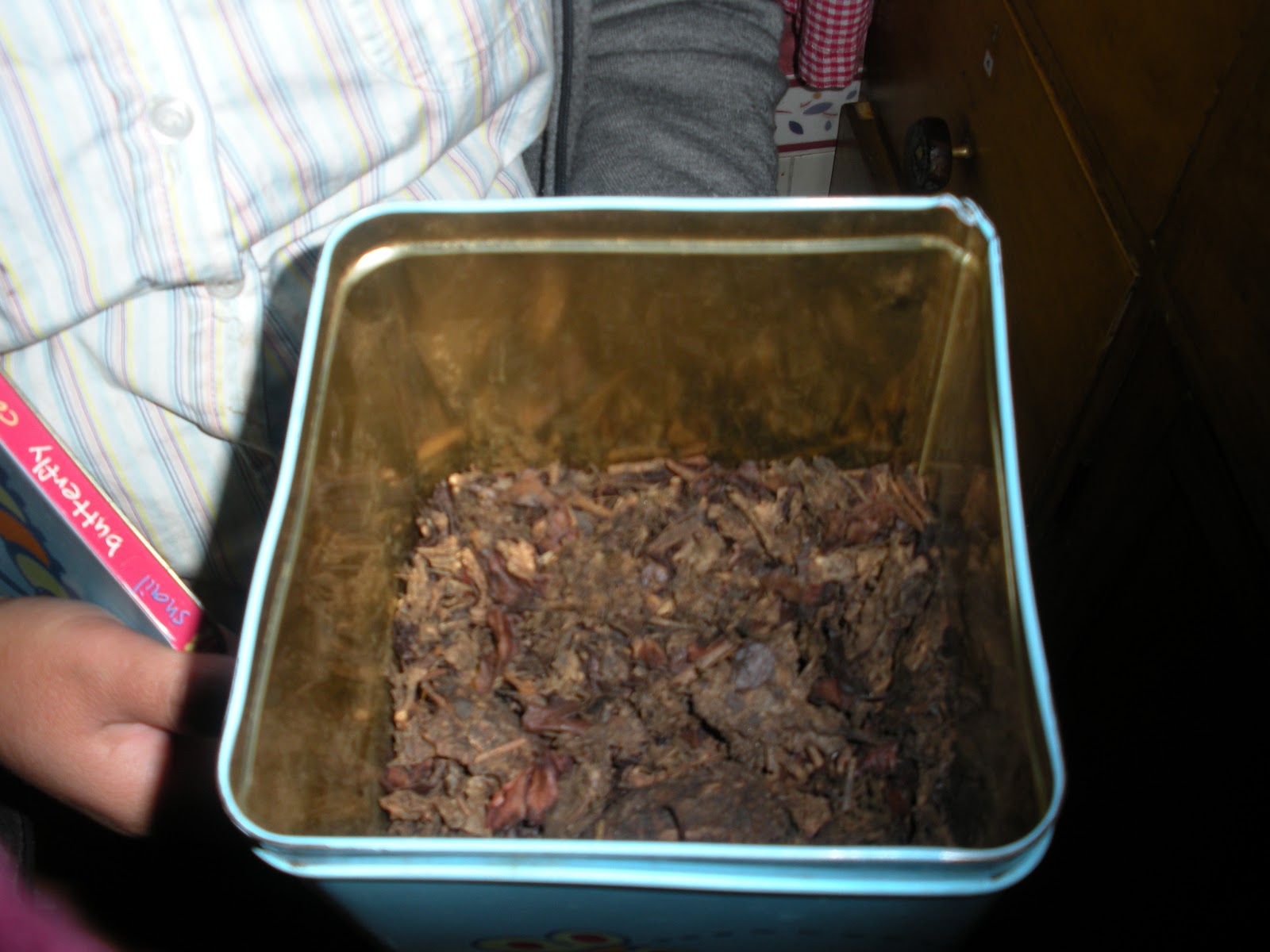
To make the tea,  loose black tea leaves are mixed with cold water and brought to a boil. A tiny amount of bicarbonate soda is added (to enhance both the taste and color) , then the hot mixture has salt and butter added to it and is churned and churned and churned ( the churn looks a lot like an old fashion butter churn) until its a consistently creamy brown shade . Of course the oil of the butter has a tendency to rise to the top, so with each refill the kettle is gently shaken up to redistribute the butter.


These days we use an electrical mixer rather then a churn and my mother, with an eye on the family's cholesterol in-take sometimes mixes in milk so that she can cut back on amount of  butter we are drinking. However on the day  of the blessing we went all butter !


Desi or the butter rice can be made sweet or savory. The base ingredients are rice, saffron and butter.  Then you can either add chopped green chilli or to make it sweet, raisins, nuts and a little sugar. We went savory. Personally I am not such a fan of sweet desi so I was happy with that choice.


The saffron, butter and chilli are added once the rice is cooked and just mixed in. As you can see we went  ahead and added them to the cooked rice in the rice cooker. That has the additional benefit of keeping the desi warm.


Here is the  suja and desi being served out for the monk who officiated the blessing. My mother even managed to find a fancy tray to serve him on. Of course the best part of the ceremony is when we get our share of suja and desi.


 Its not strictly food related, but I really thought the altar that was set up in the living room with offerings of water, flowers and fruits was rather beautiful. Perhaps you can guess the business venture that the blessing ceremony was conducted for?